Mission & History
Chair
- Meredith Hamilton
Members
|
|
|
History and Mission
The Jackson Award Committee was established in 1977 to recognize members who have given long and outstanding service to the American Society of Mammalogists. The committee evaluates nominations and recommends a recipient to the Board of Directors. The award is named in honor of Hartley H. T. Jackson, a man who was instrumental in founding ASM and who served the Society in numerous roles over many years.
2025 Hartley Jackson Award Recipient.
| The recipient of the 2025 Hartley H. T. Jackson award for service to ASM is Dr. Guy N. Cameron. Dr. Cameron received his B.S. in Zoology from University of California, Berkeley, M.S. in Biology from California State University, Long Beach, and Ph.D. in Ecology from University of California, Davis. He spent 26 years (1971-1997) as faculty at University of Houston and 16 years (1998-2014) at University of Cincinnati, where he has held an emeritus position since 2014 |
Image
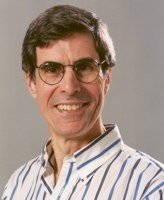 |
Dr. Cameron’s research on the ecology of mammals has spanned more than 50 years and he has published ground-breaking research that serves as the basis for our understanding of home range, trophic relationships, and nutrient deposition. Since 1971, he has published 37 academic manuscripts in the Journal of Mammalogy alone, co-authored 10 Mammalian Species accounts (usually in conjunction with graduate students), and has also published 6 studies in Ecology, the flagship journal of the Ecological Society of America. His exhaustive work on the small mammals in coastal salt marshes serves as an excellent example of a productive research program in mammalian ecology and behavior. To date, his body of work still has a lasting effect: his publications have been cited more than 3000 times, and he recently co-authored the highly acclaimed Mammals of Ohio. Like many mammalogists, it was his love of these organisms and the science that got him involved early on as a student in the Society, and he began serving on committees almost right away.
The service Dr. Cameron provided to ASM is more akin to a calling. Since 1971, he has served on 15 committees within ASM and has served as Chair for 10 of those committees, for around 75 years of committee service. In addition, he was Associate Editor for both regular publications of the Society, Journal of Mammalogy and Mammalian Species, serving 3-year terms for each. His work as President of ASM is well-documented, and he has held nearly every post in the leadership of the Society. Dr. Cameron is particularly invested in the future of mammalogy and ASM: much of his tireless work provides opportunities for graduate students, including his most recent efforts to financially support graduate student and post-doctoral projects on rodent ecology through the Guy N. Cameron Rodent Research Award.
Dr. Cameron’s interest and support of mammalogy and the ASM are infectious: he has worked with many colleagues, and his influence continues to inspire as we learn more about the ecology and behavior of mammals, and some of the dangers they face. In addition, he inspires and encourages early career scientists and graduate students to excel in their study of mammals, both personally and through his contributions to the ASM. Importantly, during his many years with ASM, he has worked both at the forefront of the Society and behind the scenes to keep ASM strong and relevant in the scientific community.
Past Awardees
Click here for past recipients of the Hartley H. T. Jackson Award.
To Nominate
Nominations for the Hartley H. T. Jackson Award
The Hartley H. T. Jackson Award honors individuals with a long and outstanding record of service to mammalogy and the American Society of Mammalogists. Nominees should have extensive service in areas such as governance of the Society, special projects of the Society, editing of the Journal of Mammalogy or Mammalian Species (Editors, Associate Editors, or others), and/or serving on multiple committees of the Society.
Candidates may be nominated by any member who is familiar with the candidate’s service to the Society and mammalogy in general. A letter of nomination (two pages maximum) should describe the candidate’s extensive service and should elaborate the reasons this person should be considered for the award. The letter of nomination, a curriculum vita for the nominee, and up to four additional letters of support (all incorporated into a single PDF) should be sent to Elmer J. Finck (ejfinck@fhsu.edu) by 1 March. The recipient will be announced at the annual meeting of the Society. Nominations are not retained from previous years. Please send any questions about the award or the nomination to Elmer Finck.
Nominations should include a statement regarding adherence to the ASM Code of Professional Conduct. For example:
As a part of preparing this nomination, I have read and understood the American Society of Mammalogists' Code of Professional Conduct (here). To the best of my knowledge, the individual I am nominating exemplifies the high caliber of professional conduct that the ASM expects and promotes as required to be eligible for this award, as well as to retain this recognition should they be the award recipient.
Click here for past recipients of the Hartley H. T. Jackson Award
Download a PDF version of the nomination procedures here.
Annual Reports
Recipients
HARTLEY H. T. JACKSON AWARD for long and outstanding service to ASM
2024
| The 2024 recipient of the Hartley H. T. Jackson award for service to the ASM is Dr. David G. Huckaby. Dr. Huckaby received his B.S. and M.S. degrees (1963, 1967) from Louisiana State University, and his Ph.D. (1973) from the University of Michigan. Since then, he has been on the faculty at California State University Long Beach, and a Research Associate in Mammalogy at the Natural History Museum of Los Angeles County, California. His research interests and expertise focus on the systematics and taxonomy of mammals, particularly rodents. He has mentored six M.S. students at CSULB, four of whom later received a Ph.D. elsewhere. He retired fully in 2018, after 90 consecutive semesters of teaching, primarily mammalogy and vertebrate zoology. |
Image
 |
Dr. Huckaby has compiled some 47 committee-years of service for ASM and counting. He works diligently and tirelessly on matters of importance to ASM and the science of mammalogy, but does not seek the spotlight to tout those accomplishments. Dr. Huckaby is a long-standing member of the Nomenclature Committee and an active and highly valued member of the Biodiversity Committee. But most of all, Dr. Huckaby’s name has become virtually synonymous with the ASM Mammal Images Library.
During Dr. Huckaby’s term as chair (2010 to present), the number of images in the Mammal Images Library has more than quadrupled, and the number of species included more than doubled. But more important than just quantity, he has focused on quality: quality in terms of how well the image illustrates the focal species, of course, but also verifying the identification associated with each contributed slide, checking and maintaining accuracy of the taxonomy, closely aligning the library with the Mammal Diversity Database to include any changes or additions, and digitizing metadata. The Mammal Image Library currently includes over 7,000 images of 2,300+ species, 930 genera, all orders, and all but two families, all meticulously vetted by the recipient, providing an invaluable resource for researchers and educators everywhere.
Dr. Huckaby has acted as both a committee member and a liaison linking the diversity database, nomenclature committee, and image library, providing a synergy that has benefitted all three. For example, the recipient’s diligent curation of the Mammal Image Library has allowed a close harmonization with the Mammal Diversity Database, with cross-linkages between the two databases currently in the works. And the benefit of drawing in perspectives from the Nomenclature Committee when uncertainties arise in the MIL or MDD is obvious.
It is with great pleasure that ASM awards the 2024 Hartley H. T. Jackson Award to Dr. David G. Huckaby. It is the dedication and professionality of members like Dr, Huckaby that keep ASM vital, evolving, and relevant.
1970-1979
- 1978—William B. Davis, Texas A&M University
- 1979—William H. Burt, University of Michigan
1980-1989
- 1980—Bryan P. Glass, Oklahoma State University
- 1981—No recipient
- 1982—No recipient
- 1983—J. Knox Jones, Jr., Texas Tech University
- 1984—Oliver P. Pearson, University of California, Berkeley
- 1985—Sydney Anderson, American Museum of Natural History
- 1986—Murray L. Johnson, Burke Memorial Washington State Museum
- 1987—Donald F. Hoffmeister, University of Illinois
- 1988—Karl F. Koopman, American Museum of Natural History
- 1989—No recipient
1990-1999
- 1990—Marie A. Lawrence, American Museum of Natural History
- 1991—John O. Whitaker, Jr., Indiana State University
- 1992—B. J. Verts, Oregon State University
- 1993—J. Mary Taylor, Cleveland Museum of Natural History
- 1994—Robert J. Baker, Texas Tech University
- 1995—James A. Lackey, State University of New York—Oswego
- 1996—Don E. Wilson, Smithsonian Institution
- 1997—Clyde Jones, Texas Tech University
- 1998—Gordon L. Kirkland, Jr., Shippensburg University
- 1999—Elmer C. Birney, Bell Museum of Natural History and University of Minnesota
2000-2009
- 2000—Richard W. Thorington, Jr., National Museum of Natural History
- 2001—Suzanne B. McLaren, Carnegie Museum of Natural History
- 2002—H. Duane Smith and Dahnelle Smith, Brigham Young University
- 2003—No recipient
- 2004—Hugh H. Genoways, University of Nebraska State Museum
- 2005—Alfred L. Gardner, U. S. Geological Survey Patuxent Wildlife Research Center
- 2006—David M. "Chip" Leslie, Jr., U. S. Geological Survey and Oklahoma State University
- 2007—Barbara H. Blake, University of North Carolina at Greensboro
- 2008—Michael A. Mares, Sam Noble Oklahoma Museum of Natural History and University of Oklahoma
- 2009—Glennis A. Kaufman, Kansas State University
2010+
- 2010—Thomas J. “Mac” McIntyre, National Marine Fisheries Service
- 2011—Matthew E. Hopton, U. S. Environmental Protection Agency
- 2012—No recipient
- 2013—C. William Kilpatrick, University of Vermont
- 2014—Daniel K. Odell, Hubbs−SeaWorld Research Institute
- 2015—Joseph F. Merritt, Illinois Natural History Survey
- 2016—Alicia V. Linzey, Indiana University of Pennsylvania
- 2017—Viriginia Hayssen, Smith College
- 2018—Duane A. Schlitter, Carnegie Museum of Natural History
- 2019—Edward J. Heske, Illinois Natural History Survey & Museum of Southwestern Biology
2020+
- 2020—Elmer J. Finck, Fort Hays State University
- 2021—Meredith J. Hamilton, Oklahoma State University
- 2022—Robert Sikes, University of Arkansas Little Rock
- 2023—Robert Timm, University of Kansas
- 2024—David Huckaby, California State University, Long Beach
- 2025—Guy Cameron, University of Cincinnati
- 2026—Cody Thompson, University of Michigan
Hartley H. T. Jackson
 The Hartley H.T. Jackson Award was established in 1977 to recognize individuals who have given outstanding service to ASM. The award is named in honor of Hartley Jackson (1881–1976), a man instrumental in founding the American Society of Mammalogists. The first meeting was held in 1919, but Jackson had envisioned forming a society for the study of mammals since 1902, when he was in college.
Hartley was interested in birds and mammals from an early age, starting a bird collection when he was 11 and turning his attention to mammals when he was 14. His first publication, at age 16, was a note on screech owls, and his next, as a student at Milton College, was on meadow voles of Wisconsin. While in college, he saw the advantages of the organizations fostering ornithology, and he recognized the value of a society for mammalogists. He discussed his idea with friends and later with colleagues, but they were not very encouraging. Still, he carried his dream.
In 1910, after receiving a Master’s degree from University of Wisconsin, he was hired by the United States Biological Survey to work on their mammal collection; a career he was to follow for decades. He continued to talk about a society for mammalogists and thought of possible ways to make it happen; gradually some colleagues became interested. However, it was not until December 1918 that there was any action, when the head of the Biological Survey, E. W. Nelson, appointed a committee to consider forming such a society and asked Hartley Jackson to chair it. Hartley apparently convinced the committee, for not only did they decide it was a good idea to form an organization of mammalogists, but they went right to work on it, making a list of prospective members, gathering funds, and drafting rules and bylaws. They worked feverishly for 3 months, with Hartley’s wife, Anna, helping with typing lists and documents (on a typewriter they rented for her). By the end of March they had received more than 250 favorable responses, and in April 1919 they held their first meeting - with 60 of the charter members present. ASM was born!

Jackson held several offices in the new Society, including President, Corresponding Secretary, Editor of Journal of Mammalogy¸ and member of the Board of Directors. In 1920 he also pushed to establish an endowment fund, especially to fund publications. Here was a man who embodied service to ASM – as founder of the Society and of the Reserve Fund he got us off to a firm start.
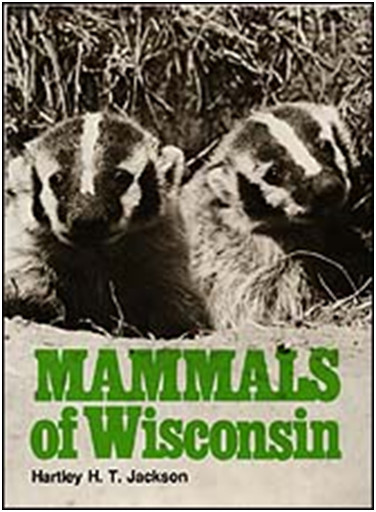
When Hartley Jackson began his career with the research staff of the Biological Survey, he took charge of their growing mammal collection. Over the next 41 years he moved through various positions and numerous reorganizations of the Survey. He also studied for a Ph.D. degree at nearby George Washington University, completing it in 1914. Jackson initially did field work, much of it in Arizona and Wisconsin, but with his advancements in the Survey he spent more time in supervisory positions and less on his own research. His main research interest was the mammalogy of his native state of Wisconsin, particularly the distribution and taxonomy of mammals and Merriam’s concept of life zones. He spent years working on his primary publication, the book Mammals of Wisconsin, and finally saw it published in 1951, the year he retired.
Sources
- Aldrich, John W. 1977. In memoriam: Hartley Harrad Thompson Jackson. (1881-1976). Journal of Mammalogy 58:691-694.
- Anon. 1919. American Society of Mammalogists: by-laws and rules adopted April 3, 1919. Journal of Mammalogy 1:49-51.
- Hoffmeister, Donald F. 1994a. Hartley H. T. Jackson and the American Society of Mammalogists. Journal of Mammalogy 75(1):i-ii.
- Hoffmeister, Donald F. 1994b. The importance of the United States Bureau of Biological Survey in the formation of the American Society of Mammalogists. Journal of Mammalogy 75(3):i-ii.
- H[ollister], N. 1919. Editorial comment. Journal of Mammalogy 1:47-49.
Figures
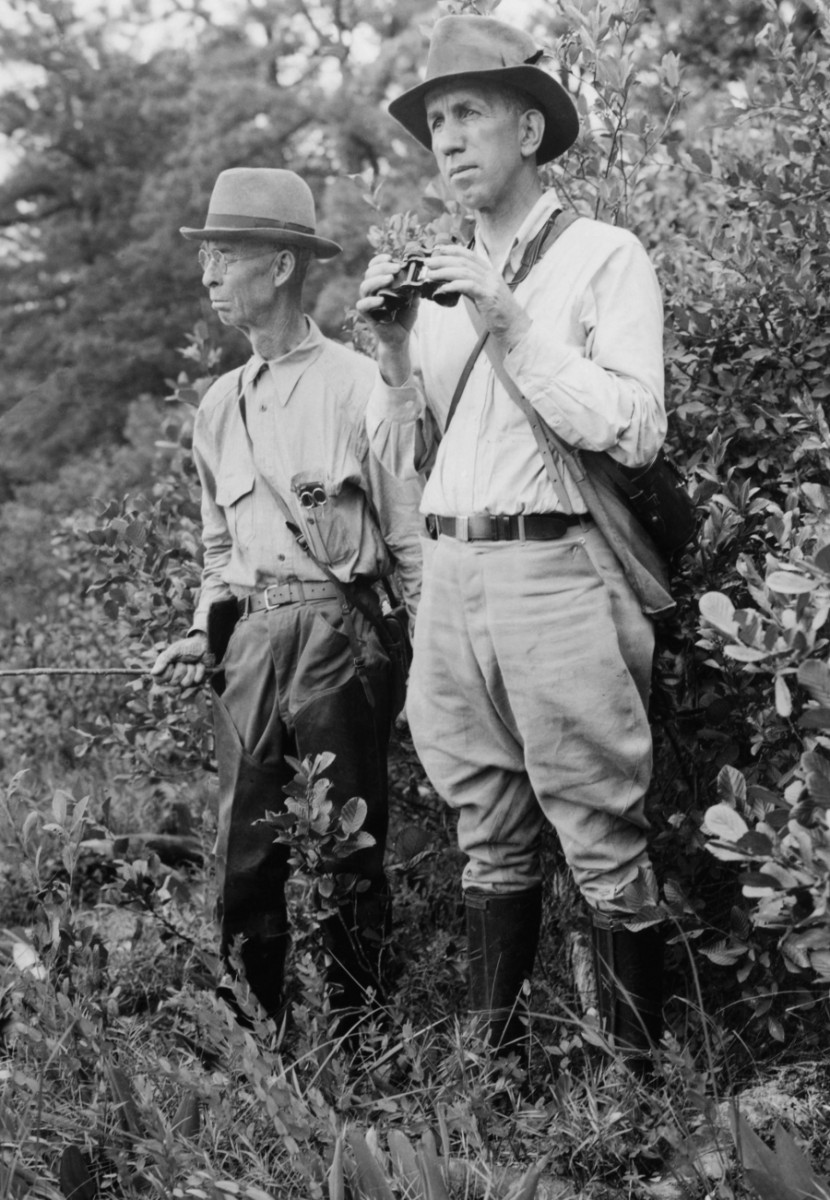
- Fig. 1. Hartley Jackson (right) with colleague Vernon Bailey, 1937. Photo from the files of the Biological Survey Unit, United States Geological Survey Patuxent Wildlife Research Center.
- Fig. 2. Hartley Jackson, 1957; photo courtesy of The Washington Biologists’ Field
- Club.
- Fig. 3. Mammals of Wisconsin, first published in 1951. From website of University of Wisconsin Press, http://uwpress.wisc.edu/books/0474.htm (accessed 13 November 2013).